
ES-K900 – When Material Comes First
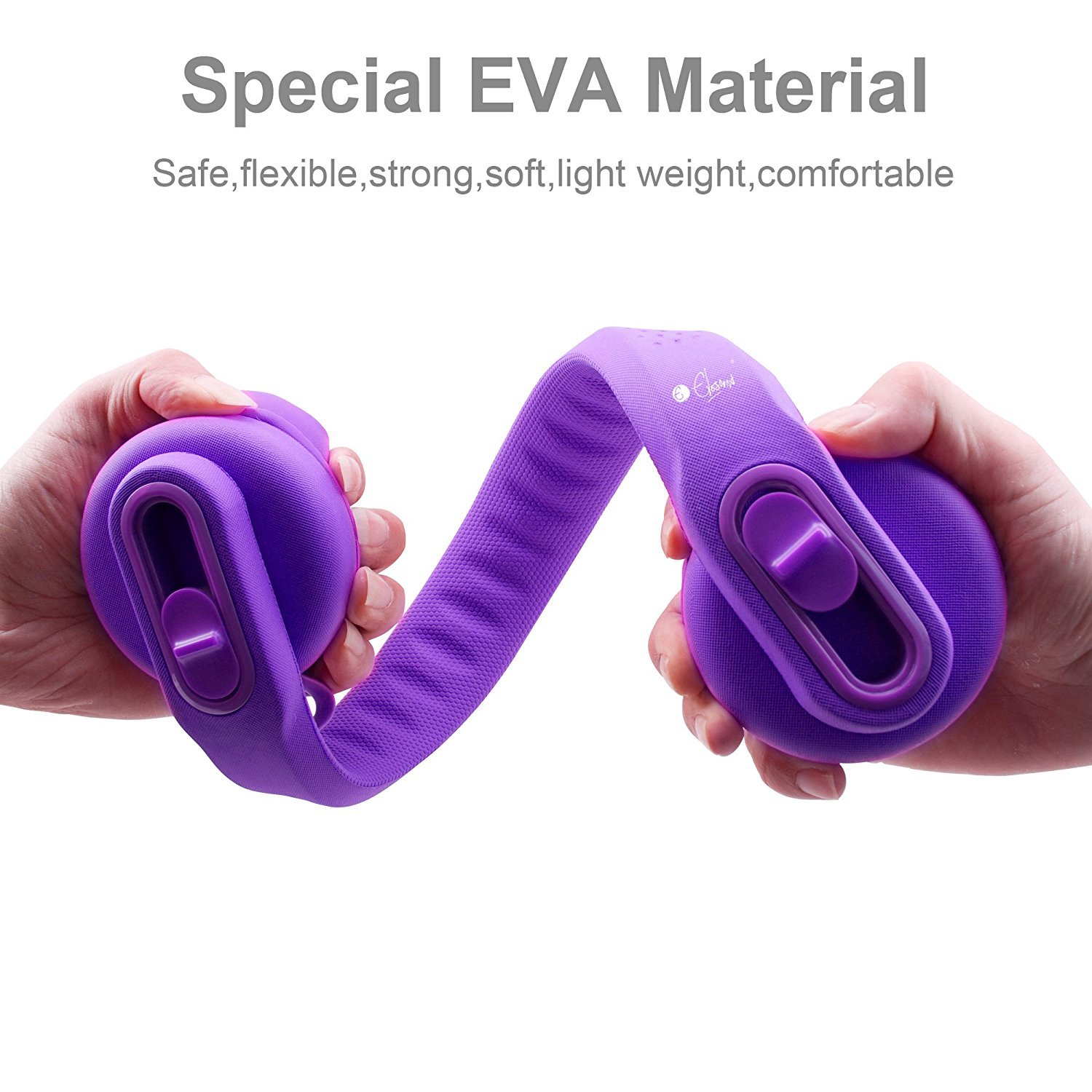
Some projects don’t start with a target user or a marketing brief.
They start with a constraint.
The ES-K900 EVA Headphones, developed for Elesound, belong exactly to this category.
The original challenge had nothing to do with designing a kids’ product. It began with a simple question rooted in material behaviour:
Can EVA foam be used to create adjustable headphones?
The initial challenge: using EVA where no one had used it before
EVA foam is soft, impact-resistant, lightweight, and pleasant to touch.
But in the audio world it had always been used in the simplest possible way, mostly as single-piece children’s headphones with no hinges, no joints, no adjustable headband.
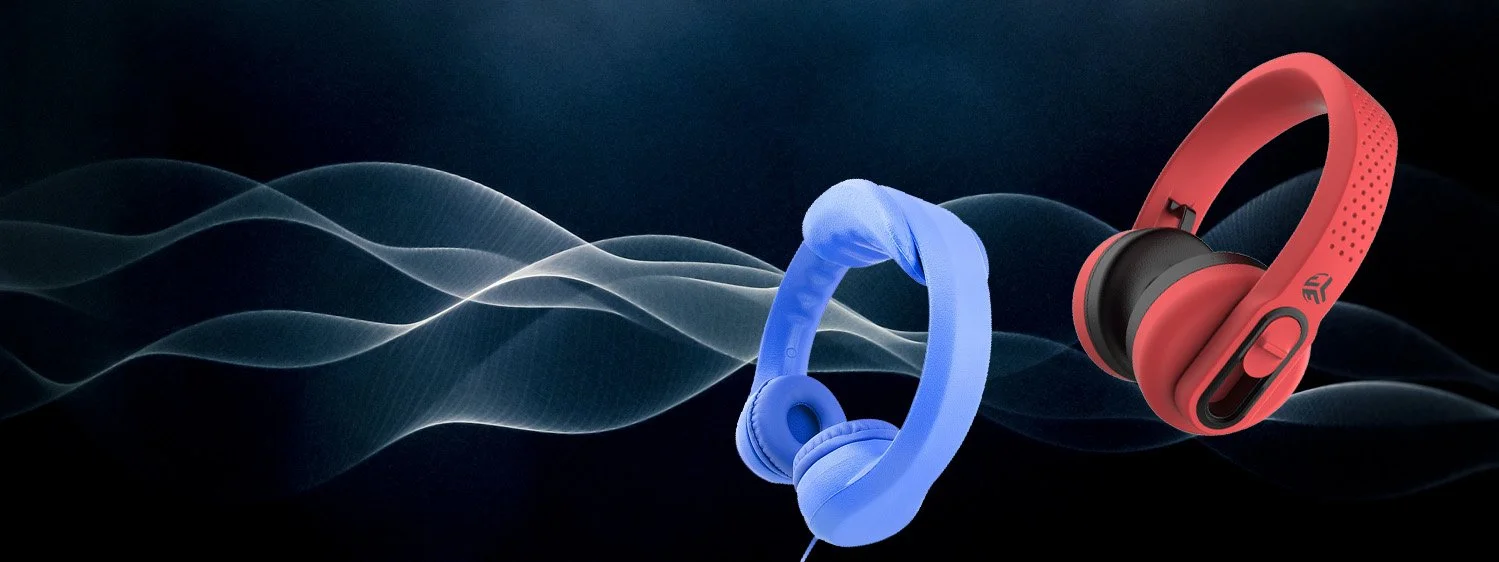
- from traditional EVA use to the adjustable ES-K900
Why?
Because EVA does not cooperate with traditional mechanisms.
It does not hold precise tolerances and does not support rigid assemblies.
This is where ES-K900 began:
turning a material not made for mechanics into the core of a structural solution.
Designing the impossible: adjustability without mechanisms
The project focused on modelling EVA to create controlled flexibility, continuous surfaces, and a structural behaviour capable of enabling size adjustment without relying on hard mechanical parts.
At that stage, the product had no defined target.
It could just as well have become an adult headphone, because the tactile quality and comfort of EVA are universal and not limited to the kids’ market.
The goal was purely technical:
make the material work first, then understand what the product could become.

- mechanism, detail
A strategic decision, not a design constraint
Only after solving the structural behaviour of EVA did the project naturally open to the children’s market.
Lightweight construction, no sharp edges, soft contact surfaces and high comfort made the product inherently child-friendly.
This shift was an industrial choice, not the starting brief.
The design could have taken different directions, because the solution was truly material-driven.
The result: when material defines identity
ES-K900 integrates three core principles:
• Material-driven design, where EVA dictates form, function and tactile experience
• Adjustability without rigid hinges or joints, enabled by the elastic nature of the foam
• A seamless visual language, because the material itself becomes the aesthetic signature
The value of the project does not lie in the shape alone, but in the approach:
starting from matter, then function, then users — in that order.
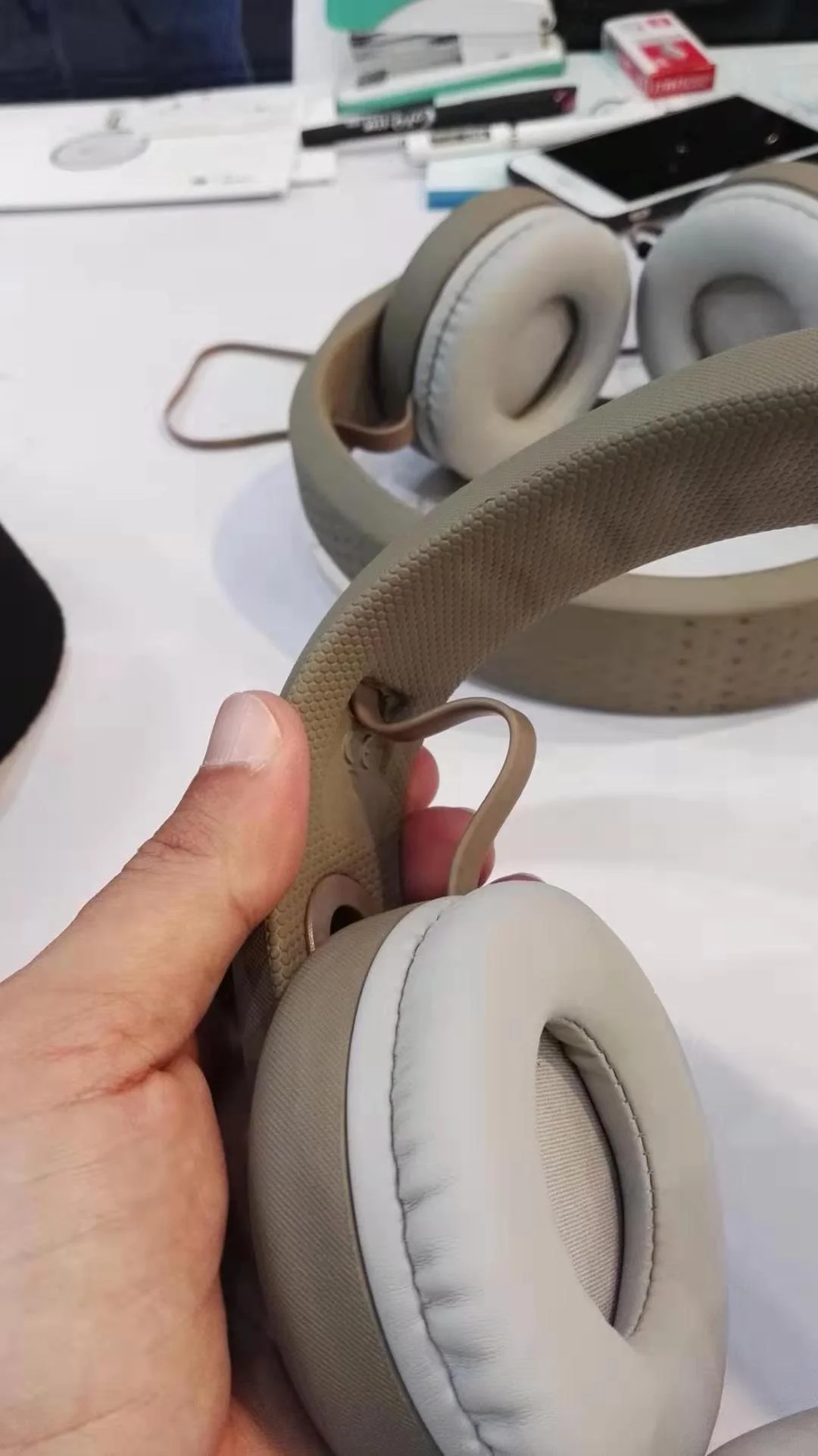
- first batch (CMF details)
The ES-K900 EVA Headphones are a rare example of a project where innovation emerges from a material limitation.
Before knowing who the product was for, the real work focused on making EVA behave in a way it had never been used before.
The target came later.
The technical breakthrough came first.
